Coalition Calls El Niño-Induced Drought in Papua New Guinea a 'National Crisis'
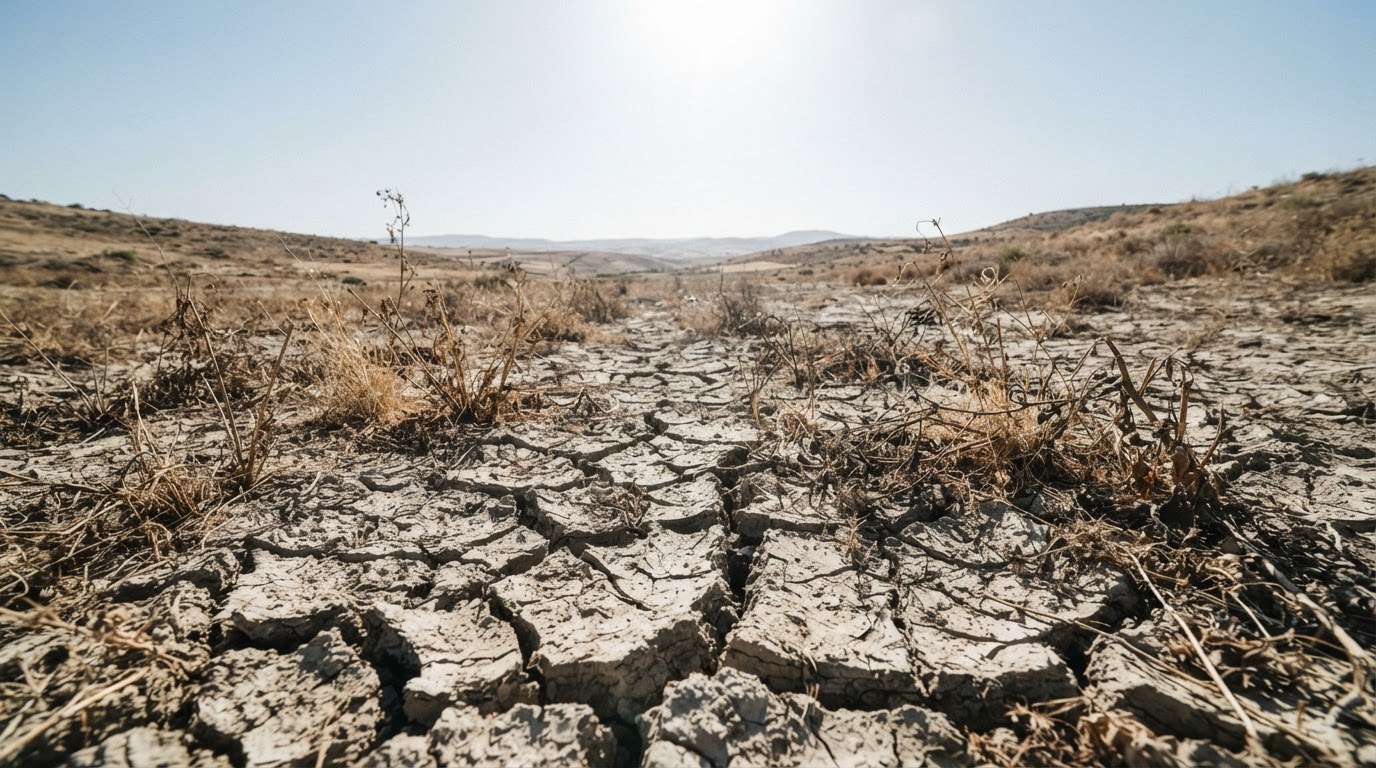
A drought linked to the intensifying El Niño has affected up to 8 million residents of Papua New Guinea: rivers are drying up, access to food and water is shrinking, and disruptions are impacting schools, healthcare facilities, and power supplies.
A coalition of churches, trade unions, and business associations stated that there is no coordinated plan to protect vulnerable communities.
In some areas of Papua New Guinea, less than a quarter of the usual rainfall has fallen since August. The National Weather Service declared the onset of El Niño in June, but the service’s deputy director, Kasis Inape, said that by that time, a significant portion of the country was already experiencing drought.
In rural areas, families have reduced their meals to one per day, and women and girls spend three to four hours searching for water and food. According to Emily Meren, CARE International’s humanitarian program manager in PNG, this also increases the risk of harassment and leads to cases of exchanging sex for money or food. In Morobe Province, small rivers have dried up, causing schools and medical centers to operate only half-days, while some clinics have stopped admitting patients for inpatient treatment.
In the capital, Port Moresby, PNG Power has begun scheduled power outages following a drop in reservoir water levels. The company warned that disruptions could last up to 10 months. Prime Minister James Marape has instructed provincial and district authorities to prepare for a prolonged dry season; the government is considering financial mechanisms to support disaster response efforts.