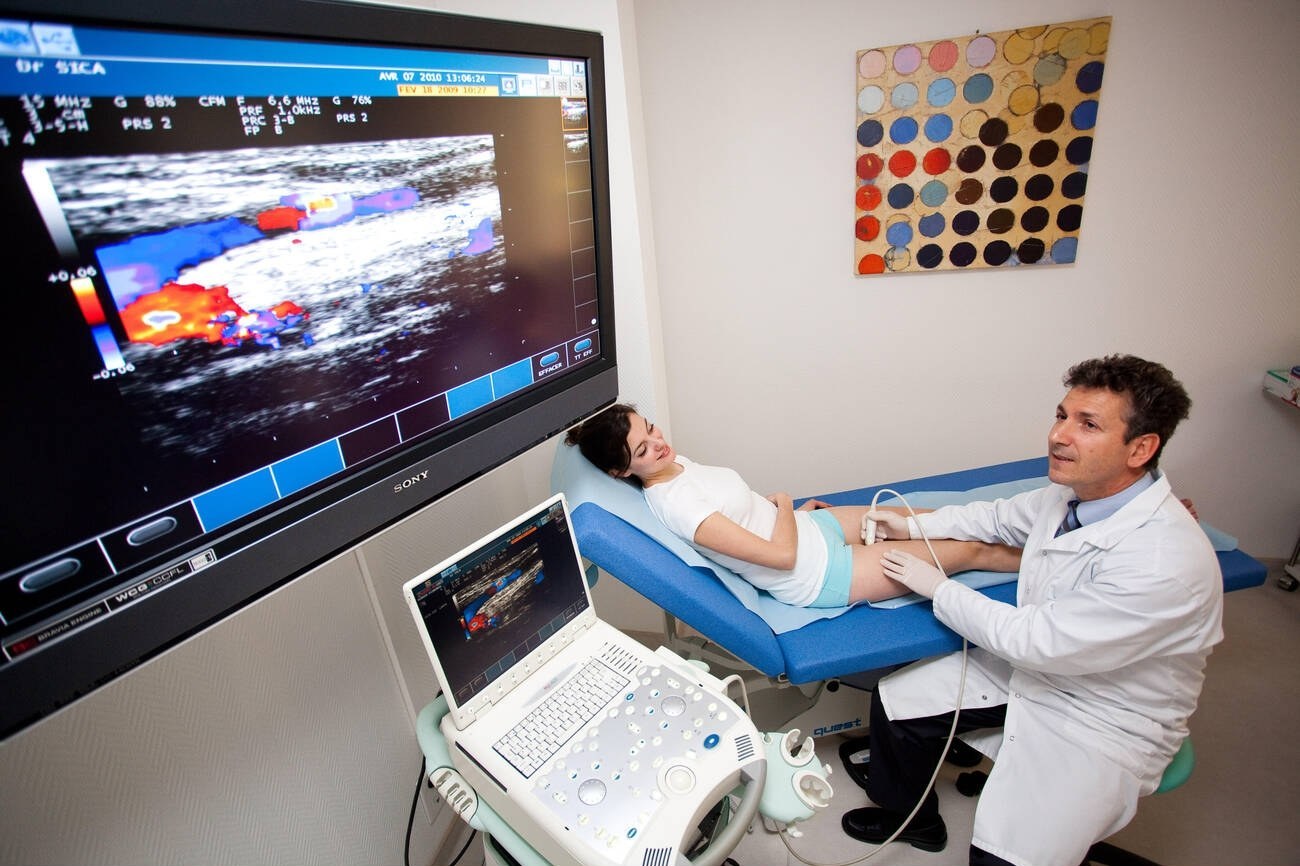
Scientists eliminated brain tumors in all mice during new therapy trial
Researchers from UCSF completely eradicated diffuse midline glioma in all mice across two models using B-SYNC CAR-T. Human trials may begin as early as April 2027.

In experiments on mice, experimental immune cells destroyed tumors of diffuse midline glioma—an aggressive childhood brain cancer that affects the brainstem and almost always leads to death within a year. Conventional CAR-T cells failed to bring the tumors under control.
B-SYNC CAR-T cells activate only after entering the brain. There, they begin producing receptors that recognize the proteins EphA2 and IL13Rα2 on tumor cells. In the blood and spleen, the cells remained inactive, which should limit the therapy's effects outside the brain. The activation signal is brevican—a protein naturally present in the brain.
With intravenous administration, some cells reached the brain. A more pronounced result was achieved after injecting the drug directly into the brain ventricles: in two models with human cells, tumors disappeared in every mouse. When glioma cells were reintroduced nearly seven weeks later, all treated animals rejected them. Researchers also observed that B-SYNC cells remained active for over 70 days.
The UCSF team is preparing the first clinical trial. For this, they plan to use patients' own T-cells, genetically modified into B-SYNC CAR-T. Physicians will compare intravenous administration with direct delivery to the brain; for repeated injections via the ventricles, patients may receive a shunt with a reservoir under the scalp. The therapy's efficacy and safety in humans have yet to be tested.
Read also
Scientists from Germany rejuvenate human cells by reversing their biological age
Science & Health04 Nov, 16:41
Scientists test implant in mice that lowers blood sugar using electricity
Science & Health04 Nov, 14:47