Ryanair's Profit Drops by 15%, Airline Forecasts Increase in Fuel Costs
Ryanair's net profit for the first half of the financial year decreased by 15%, to 2.15 billion euros. The airline expects its fuel costs for the financial year ending in March 2028 to potentially rise by approximately 2 billion euros.
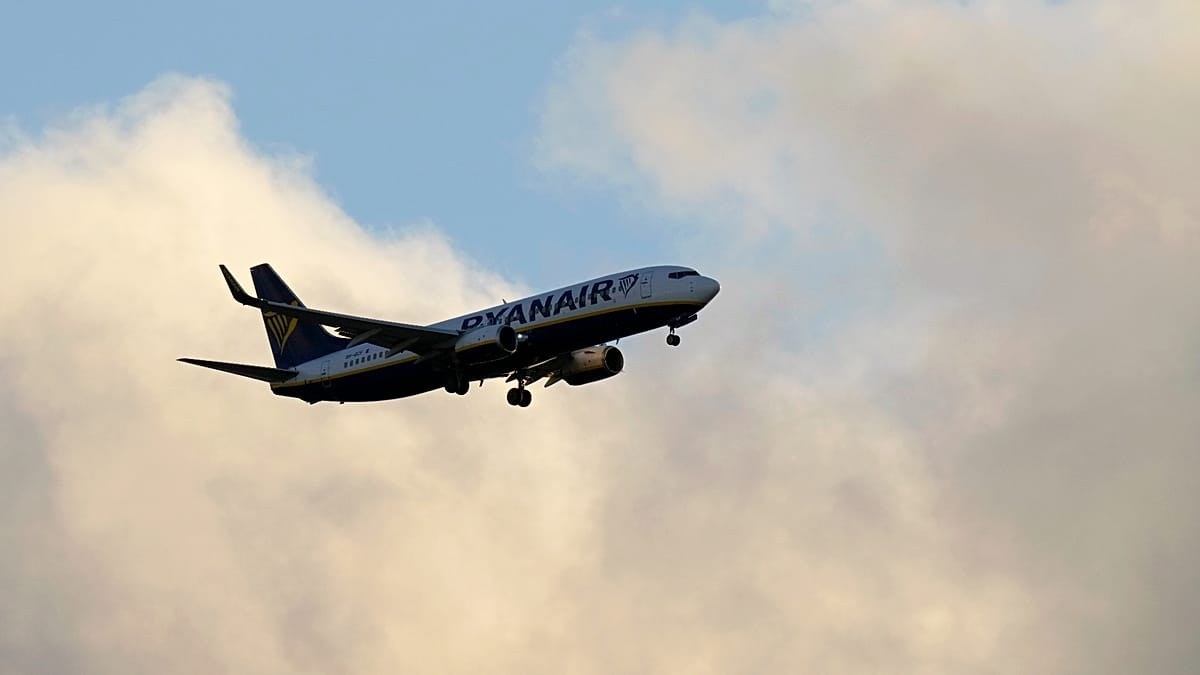
For the period from April to September 2026, Ryanair's revenue grew by 3%, reaching 10.08 billion euros, while passenger traffic increased by 6%, to 125.8 million people. Meanwhile, average fares declined by 4%, and diluted earnings per share fell by 14%, to 2.05 euros.
The carrier's operating expenses for the reporting period rose by 10%, to 7.69 billion euros. Ryanair attributed the pressure on financial results to a twofold increase in prices for unhedged aviation fuel and a reduction in fares. The company also believes that the conflict in the Middle East has made passengers more cautious, leading them to book flights later.
The financial report does not reflect the full extent of fuel price increases. Ryanair had previously secured the cost of 80% of its fuel needs for the financial year ending in March 2027 through financial contracts. This limited the impact of price hikes on profits, but the cost of the remaining 20% of fuel doubled.
The company estimates a potential increase in fuel expenses for the financial year up to March 2028 at approximately 2 billion euros, based on current forward prices. "If the conflict in the Middle East is not resolved quickly, we expect aviation fuel prices to remain elevated until 2027," stated Ryanair CEO Michael O'Leary.
According to him, cheaper fuel hedging contracts will expire before the summer of 2027, after which European airlines will face significantly higher bills. Earlier, O'Leary suggested that airfare prices in Europe could rise by up to 20% in 2027.
Ryanair believes that fare increases and capacity reductions by competitors will not fully offset the additional fuel costs. To reduce expenses, the carrier is considering a temporary wage freeze, a reduction in the crew-to-passenger ratio, and broader use of artificial intelligence in operational work and support services.
Additionally, Ryanair announced an 800 million euro share buyback program. It is set to begin in February 2027 and, under favorable market conditions, last approximately ten months.
Demand for flights in October–December remains high, with fares slightly above last year's levels. However, late bookings complicate forecasting. The airline is not yet prepared to estimate profit for the entire financial year due to uncertainties surrounding conflicts, fuel prices, the state of the economy, and disruptions in European air traffic control services.
In September, Ryanair announced a reduction in its winter schedule to decrease dependence on unhedged fuel expenses. The annual passenger traffic target was lowered from 216 million to 214 million people. In early trading in Dublin, the company's shares rose by 2%.