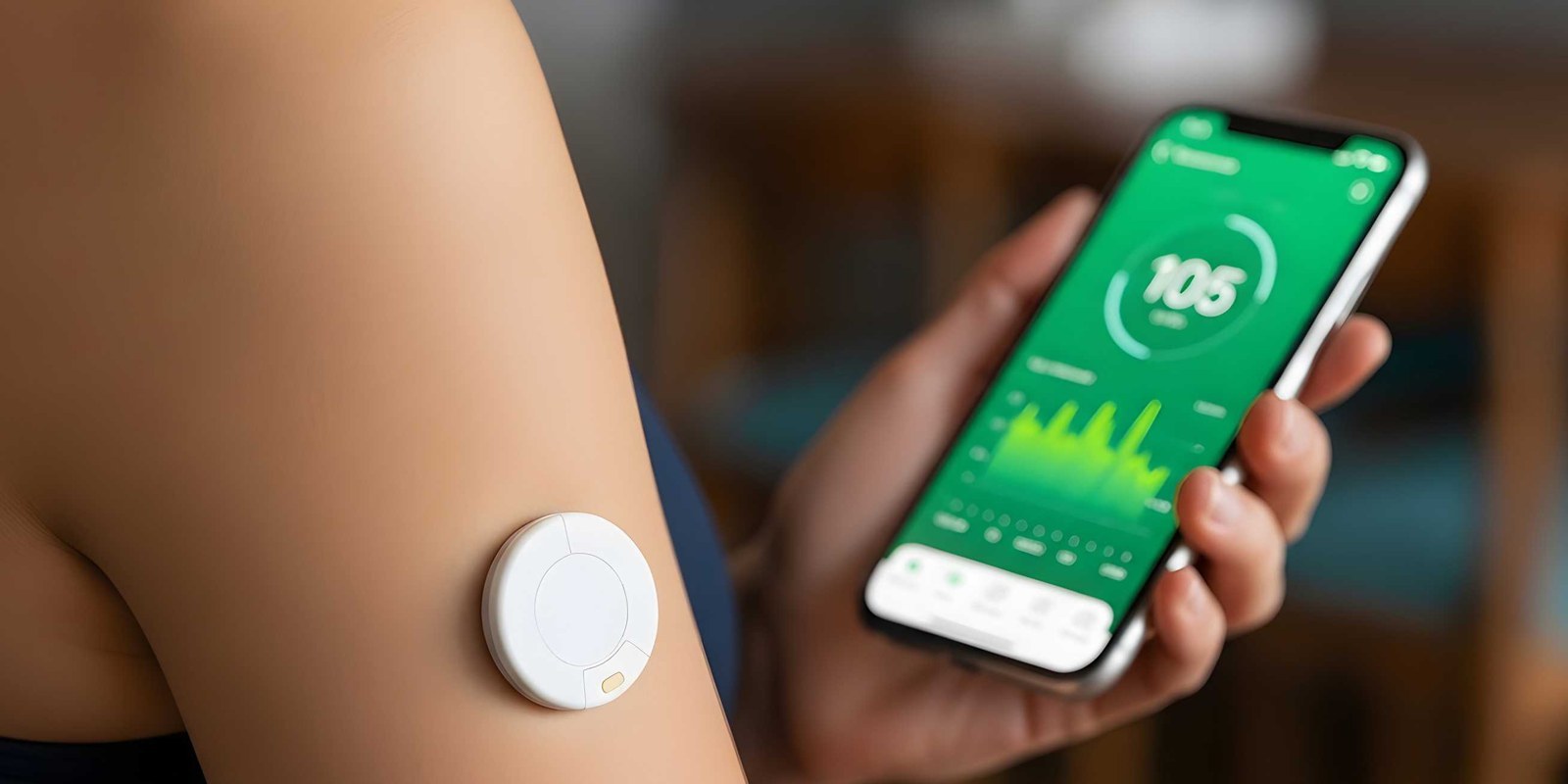
AI Models Tested on Medical Recommendations: Error Rates Reached 80% in Ambiguous Cases
Six commercial AI models generally did not prescribe unnecessary examinations and treatments, but in ambiguous cases, they made errors more frequently: on average in 5.4% of responses, and up to 80% for certain systems.
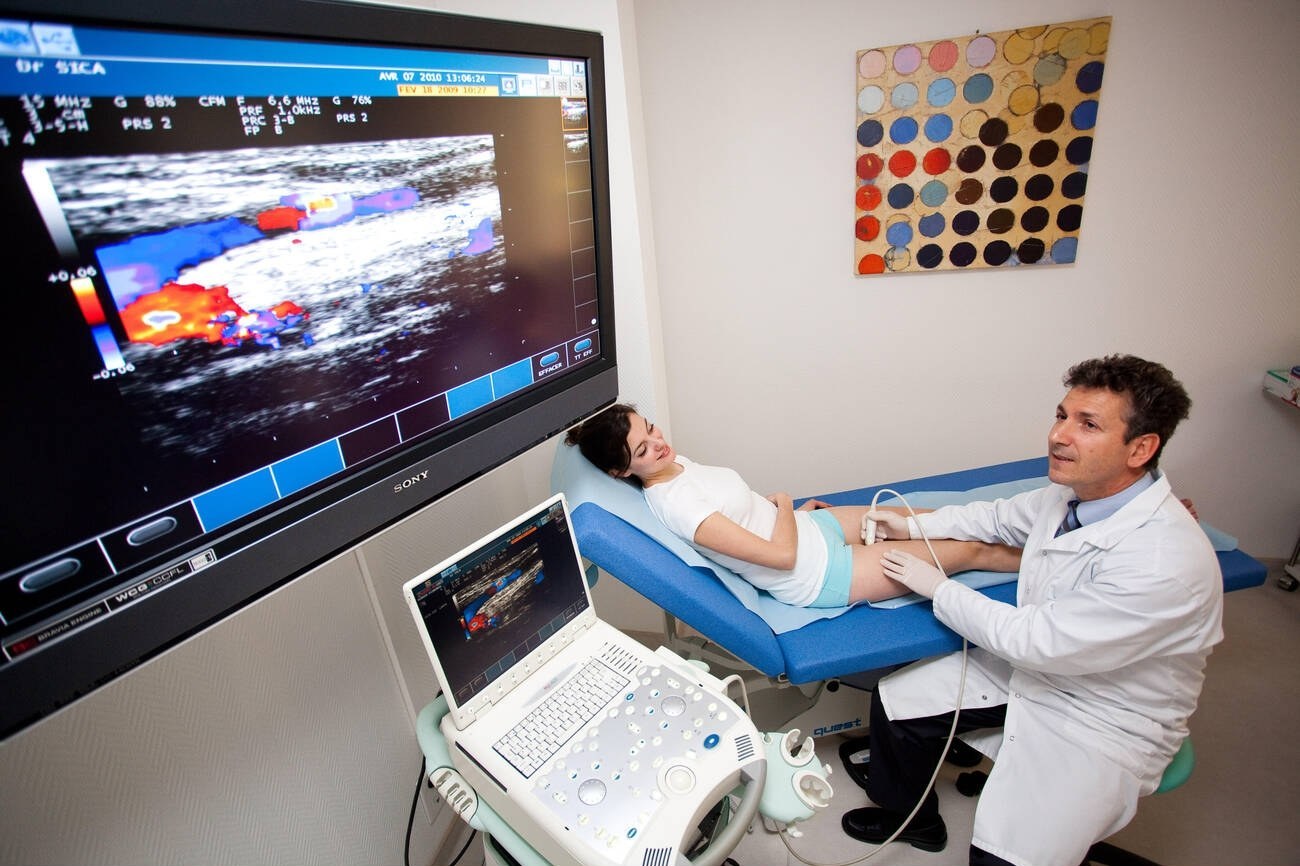
Researchers from Ben-Gurion University of the Negev and the Israeli organization Clalit Health Services compiled 225 scenarios based on 15 Choosing Wisely recommendations. Each description of an unnecessary intervention was paired with a similar case where it was required. Each model completed all tasks three times, resulting in a total of 4,050 responses.
Unnecessary examinations most frequently appeared in cases involving thyroid ultrasound and standard ECG. Differences in the assessment of small nodules under 1 cm could be linked to varying recommendations from the American Thyroid Association and the American College of Radiology.
According to researcher Guy Laban and physician Dean Ariel, the models struggled most with cases lacking a unified medical opinion. Conversely, they erroneously rejected necessary care in 0.6% of situations. The authors emphasized that they used standardized queries rather than prolonged interaction or real consultations, so the results cannot be directly applied to the everyday use of medical chatbots.
Read also

Scientists eliminated brain tumors in all mice during new therapy trial
Science & Health09 Nov, 17:14
Scientists from Germany rejuvenate human cells by reversing their biological age
Science & Health04 Nov, 16:41