
Climate change has pushed global ice beyond the safe zone
A Science study found that Arctic and Antarctic sea ice, snow, and permafrost have already crossed the safe threshold, while land ice is nearing it.
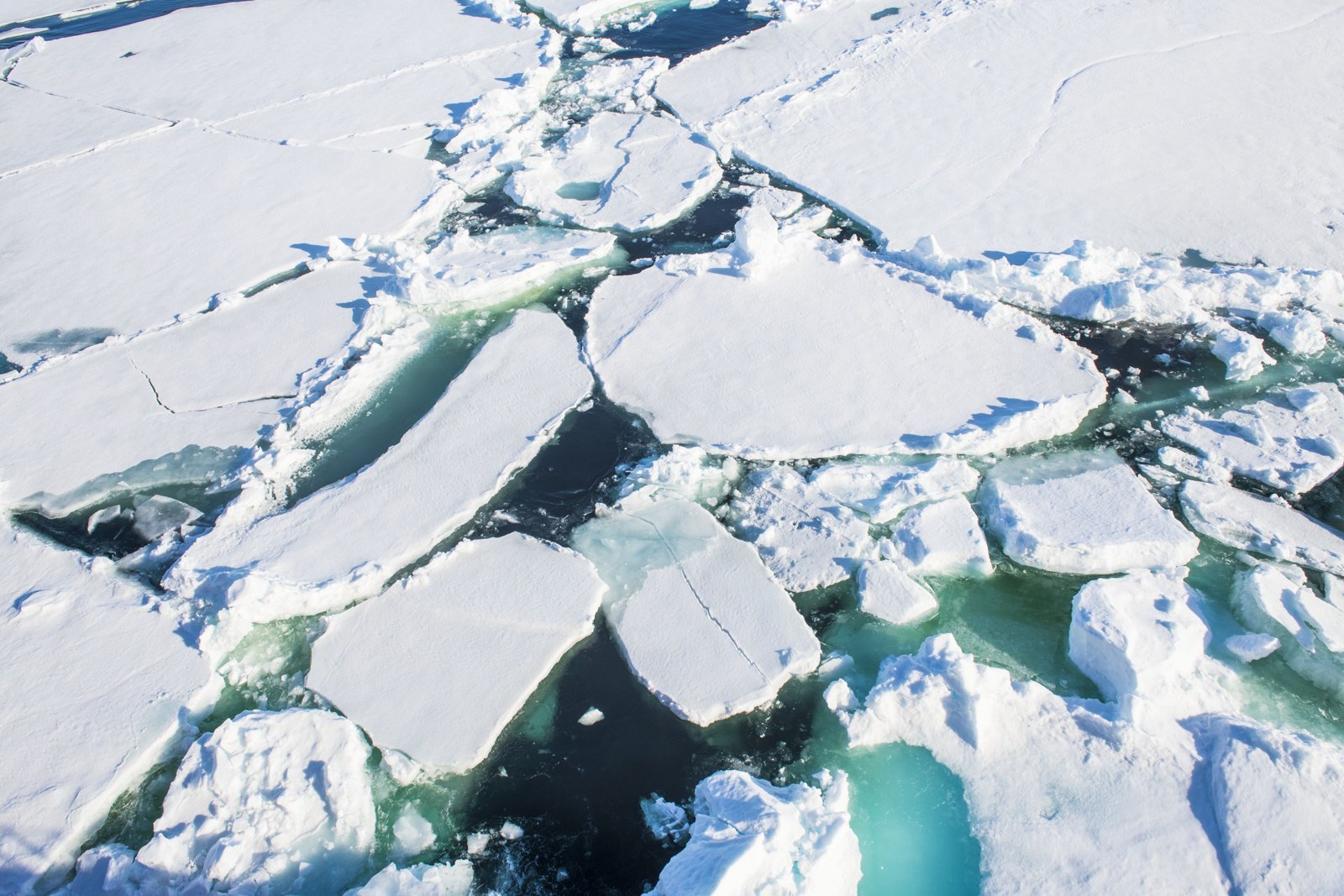
A study published in Science on Thursday revealed an accelerating and partially irreversible loss of stability in the cryosphere—ice, snow, and frozen ground. Scientists examined sea and land ice, mountain glaciers, permafrost, and snow cover over the past 12,000 years to determine the conditions that sustained climate stability and the development of civilization.
Arctic and Antarctic sea ice, snow cover, and permafrost area have already exceeded the safe threshold. Land ice remains within its limits but is close to the boundary. Due to warming already locked into the climate system, it is likely to cross this threshold in the coming centuries as well.
The risks extend far beyond melting regions. The West Antarctic Ice Sheet contains enough ice to raise sea levels by 11 feet (3 meters). Permafrost holds trillions of tons of carbon dioxide; its degradation could release CO₂ and methane into the atmosphere, potentially accelerating global warming. The melting of Greenland’s land ice could slow or halt ocean circulation that sustains Europe’s temperate climate.
"Exceeding the safe space does not mean an immediate 11-foot sea level rise," said study co-author Albert Norström, a climate researcher at the Stockholm Resilience Centre. According to him, warming of 1.5 degrees Celsius and above increases the risk of triggering tipping points in the Earth’s system. He identified reducing emissions as the most urgent way to protect ice and snow. Researchers are also considering measures such as covering glaciers, pumping cold seawater to the surface, and constructing a barrier to stabilize the West Antarctic Ice Sheet, but such interventions may be costly and their effectiveness is not guaranteed.