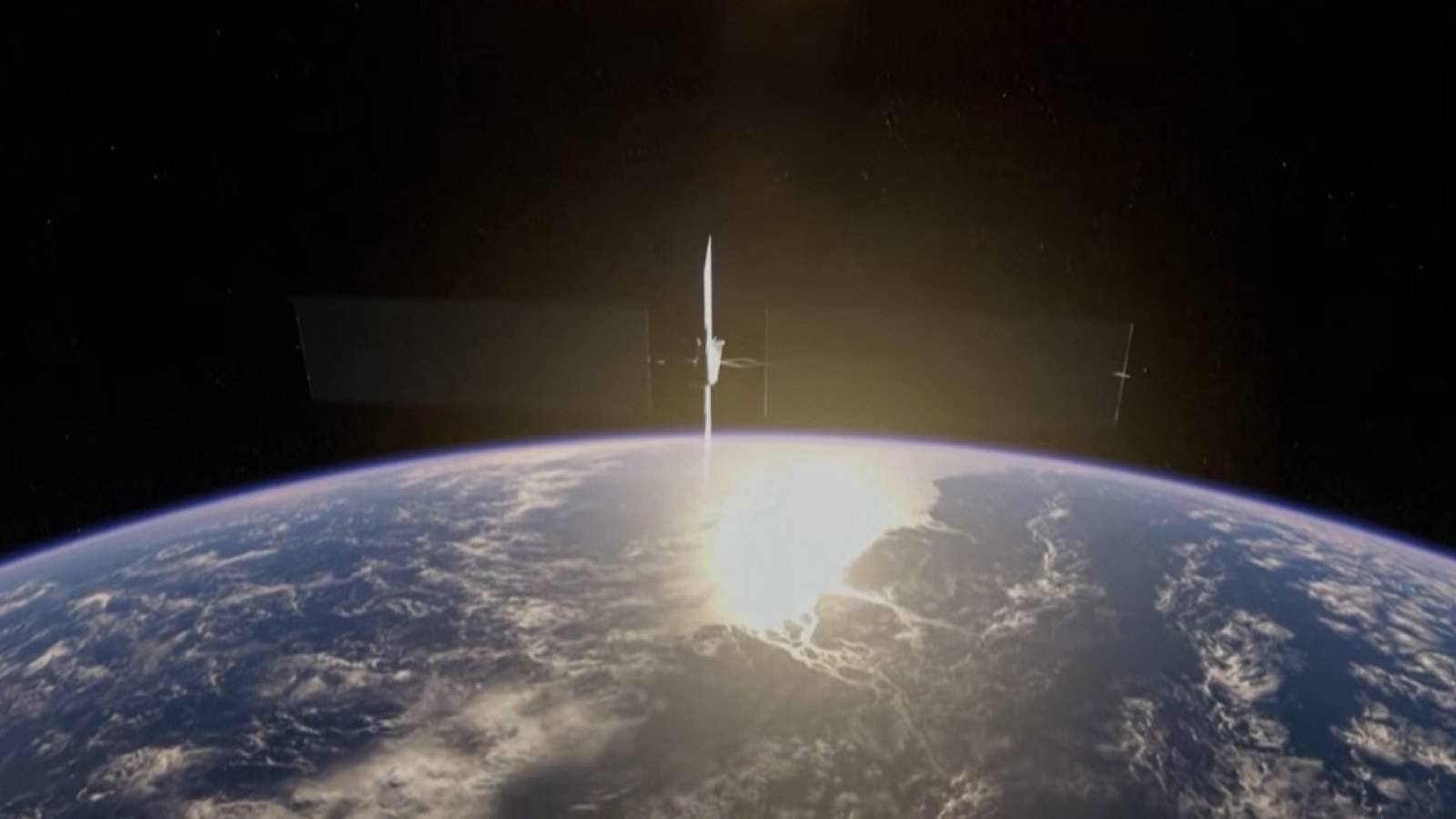
Russian Instruments in BepiColombo Mission to Help Explore Mercury's South Pole
Russian equipment on BepiColombo will help study Mercury's southern polar region, which has not been previously examined in detail. The separation of the spacecraft is scheduled for 9–10 December 2026.
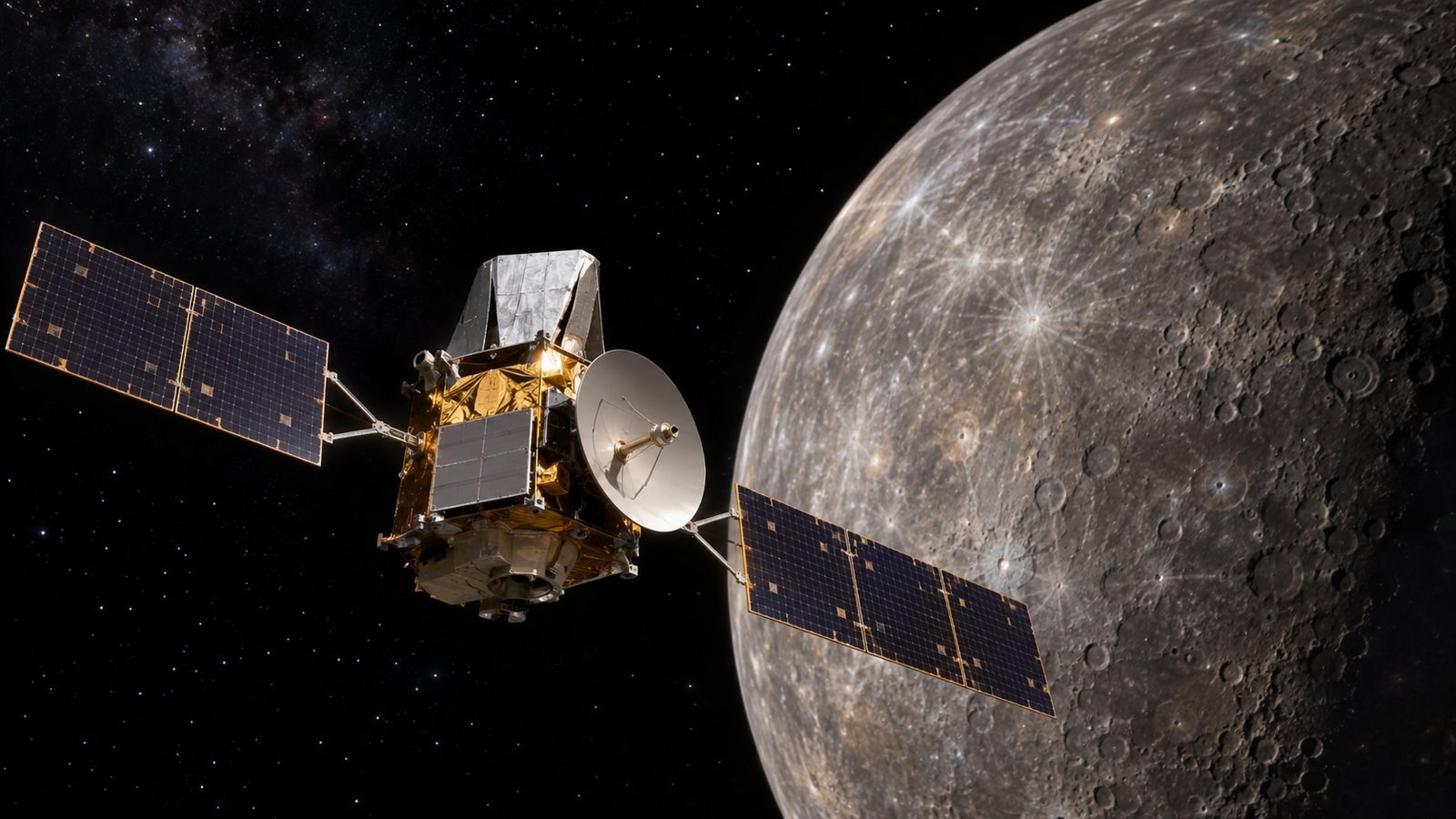
On 22 November, Roscosmos reported that the BepiColombo spacecraft had entered Mercury's orbit. Following the separation of the European MPO and the Japanese Mio, they will continue transitioning to their respective operational orbits.
The Russian neutron spectrometer MGNS is tasked with exploring the planet's southern polar region and creating the first map of neutron flux. During previous close approaches to Mercury, the instrument recorded gamma and neutron radiation from its surface.
The spacecraft also carries the PICAM and PHEBUS spectrometers, as well as the MSASI camera. These instruments are designed to study the chemical composition of the soil and the reasons for the presence of sodium in Mercury's exosphere. In total, the mission involves four instruments developed with the participation of Russian specialists.
BepiColombo is a joint project of the European Space Agency and JAXA. The spacecraft was launched in 2018, with the goal of studying Mercury from orbit.