
Climate diplomacy reaches deadlock: what the failure of COP in Antalya revealed
On Sunday in Antalya (Turkey), participants of COP31 failed to agree on a pact: the direct obligation to phase out fossil fuels was removed from the draft.
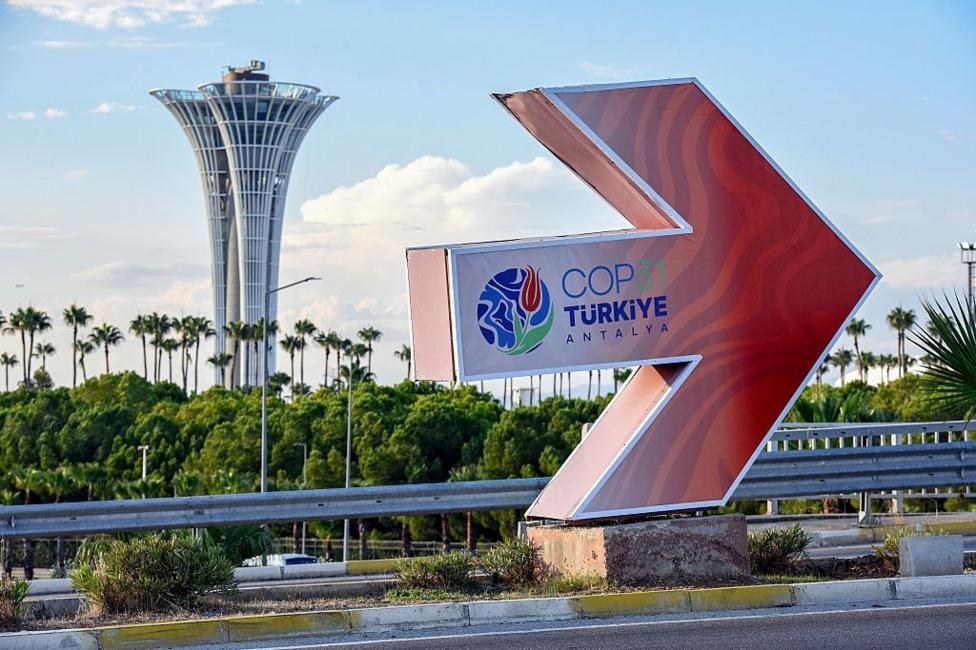
The Antalya Pact draft was not adopted in Antalya, despite countries agreeing at COP28 in Dubai to transition away from fossil fuels. Australia’s Minister Chris Bowen described the political backdrop of the negotiations as the most challenging during his tenure, while COP31 President Murat Kurum urged not to allow failure over individual formulations.
Oil-producing states primarily opposed the document publicly. Saudi Arabia’s negotiator Mohammad Ayyub, speaking on behalf of 22 countries of the League of Arab States, stated that they account for less than 2% of historical emissions. Russia’s representative Sergei Kononuchenko warned that reducing oil and gas supplies before demand falls would cause shortages, price surges, and energy poverty.
Around 130 governments, approximately two-thirds of the meeting’s participants, demanded an explicit mention of phasing out fossil fuels. Developing countries also insisted on greater climate financing and criticized the predominance of loans over grants. Meanwhile, the transition to solar energy, batteries, and electric vehicles continues despite the negotiation failure.